
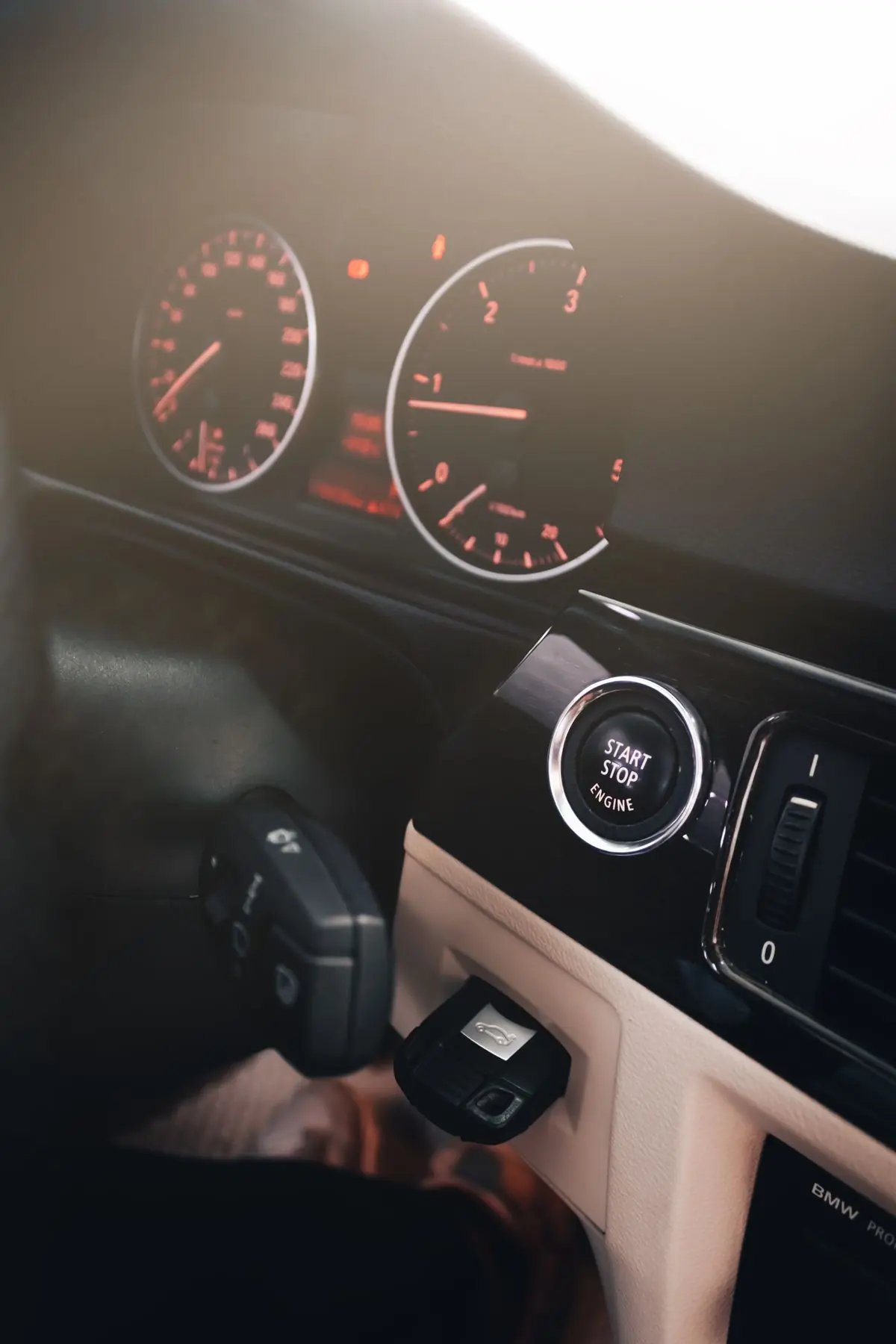
Car Dashboard Symbols and Meanings
Quick Answer: Car dashboard symbols use a color system: red means stop now, amber or yellow means check soon, and green or blue means a system is on and working normally. The most urgent lights are oil pressure, coolant temperature, brake system, and a flashing check engine light. Learn them before you need them.
Dashboard Light Urgency by Color
The Color System: Red, Amber, Green, and Blue
Every car dashboard uses the same color system, and the color tells you how urgent a light is. Red means stop now, amber or yellow means check soon, and green or blue means a system is on and working normally. Learn the colors first, and you will know how urgent any light is, even if you do not recognize the symbol.
- Red: Stop now. A safety problem or a problem that can destroy the engine. Pull over as soon as it is safe.
- Amber or yellow: Check soon. Something needs attention, but you can usually keep driving for a short time.
- Green: A system is on and working, like the turn signals or cruise control.
- Blue: A system is on, like the high beams.
Modern cars can have more than 60 dashboard symbols. The symbols follow an international standard called ISO 7000, but the exact drawing can look different from one car maker to another. When in doubt, check your owner's manual for your exact model.
The National Highway Traffic Safety Administration (NHTSA) says that nearly 20 percent of breakdowns could have been prevented if the driver had acted on a dashboard alert early. That is why it pays to know what the lights mean before one turns on.
Red Lights: Stop Now
Red lights are the most urgent. If one of these comes on while you drive, pull over as soon as you can do so safely.
Oil pressure warning light
This looks like an old-fashioned oil can. It means oil pressure is too low. Low oil pressure can destroy an engine in minutes, because the moving parts inside the engine are no longer getting enough oil. Pull over, switch off the engine, and check the oil level on the dipstick once the engine has cooled a little. If the level is low, add oil. If the level is fine but the light stays on, do not drive. Call for a tow. See our guide on how to check oil for the full steps.
Coolant temperature warning light
This looks like a thermometer sitting in waves of water. It means the engine is overheating. Pull over, switch off the engine, and wait at least 30 minutes before you open the hood. Never open the radiator cap while the engine is hot. Hot coolant can spray out and cause severe burns. Once the engine is cool, check the coolant level in the overflow tank. If it is empty, there may be a leak. Do not drive an overheating car.
Brake system warning light
This is a red circle with an exclamation mark inside, or the word BRAKE. First, check that the parking brake is fully released. If the light stays on, it can mean low brake fluid or a brake system fault. Brake problems are safety problems. Do not keep driving. Get the car checked before your next trip.
Battery warning light
This looks like a battery with a plus and minus sign. It means the charging system is not working. The car is running on battery power alone, and the battery will go flat, usually within 30 to 60 minutes. Turn off the radio, air conditioning, and heated seats to save power, and drive to the nearest safe place or shop. The most common causes are a worn alternator belt or a failing alternator.
Airbag warning light
This shows a person sitting with a large circle, the airbag, in front of them. It means the airbag system has a fault. The airbags may not deploy in a crash. This is not a stop right now emergency, but get it checked soon. It is a safety system, and it will also fail a state safety inspection in states that check it.
Flashing check engine light
A flashing engine symbol means an active severe misfire. Raw fuel is entering the exhaust, and that can destroy the catalytic converter in minutes. Pull over, switch off the engine, and call for a tow. For the full guide, see our article on what does check engine light mean.
Power steering warning light
This looks like a steering wheel with an exclamation mark. It means the power steering has failed or is losing power. The steering will feel very heavy, especially at low speed. You can still steer, but it takes much more effort. Drive slowly to a safe place and get help. Some cars fix this with a restart, but if the light comes back, the system needs repair.
Amber and Yellow Lights: Check Soon
Amber lights mean something needs attention soon, but you can usually finish your trip. Book a check within a few days.
Check engine light (solid)
This is the engine-shaped symbol. A solid light means the car's computer found a fault in the engine, fuel, or exhaust system. Get the code read within a few days. Most auto parts stores will read it free. For the full guide, see what does check engine light mean.
Tire pressure monitoring system (TPMS) light
This is an exclamation mark inside a flat-bottomed tire shape. It means one or more tires are low on air. Check all four tire pressures within 24 hours and inflate them to the pressure on the driver's door sticker, not the number on the tire sidewall. The sticker pressure is the right one for your car. In cold weather, tire pressure drops, and this light often comes on in the morning and goes off as the tires warm up. If it keeps coming back, check for a slow leak or a nail.
Anti-lock brake system (ABS) light
This says ABS inside a circle. It means the anti-lock brake system has a fault, often a wheel speed sensor. Your normal brakes still work, but the ABS will not help you in a hard emergency stop. Get it checked within a few days, especially before winter driving.
Traction control light
This shows a car with wavy lines under the tires. If it flashes while you drive, the system is working, and that is normal. It means the car is stopping a wheel from spinning on a slippery road. If it stays on solid, the system has a fault. Get it checked soon.
Low fuel warning light
This looks like a gas pump. It means you have about 10 percent of the tank left. Find a gas station soon. Driving on a nearly empty tank can also wear out the fuel pump, because the pump uses the fuel to stay cool.
Washer fluid warning light
This shows a windshield with a spray of water. It means the washer fluid is low. Top it up when you can. It is not urgent, but you need washer fluid to keep the windshield clean.
Engine oil level light
This looks like an oil can with a wavy line under it. It is different from the red oil pressure light. This one means the oil level is low, not the pressure. Check the level on the dipstick and add oil if needed. See how to check oil for the steps.
Green and Blue Lights: Normal Operation
Green and blue lights are not warnings. They tell you a system is on.
- Turn signals: green arrows that flash when you signal.
- High beams: blue headlight symbol. Your high beams are on. Switch them off when another car is coming.
- Cruise control: green symbol that shows cruise control is on.
- ECO mode: green leaf or the word ECO. The car is in fuel-saving mode.
- Headlights on: green headlight symbol.
- Fog lights: green or amber symbol that shows the fog lights are on.
If a green or blue light stays on and you did not turn that system on, check the switch. For example, the high beam light staying on usually means you bumped the stalk.
Quick Reference Card: What to Do in 60 Seconds
Save this table on your phone. It tells you the first action for each light.
| Symbol | Color | First Action |
|---|---|---|
| Oil can | Red | Pull over, switch off, check oil level |
| Thermometer in water | Red | Pull over, switch off, wait 30 minutes |
| Brake circle with ! | Red | Check parking brake, then stop driving if still on |
| Battery | Red | Turn off extras, drive to a shop soon |
| Airbag person | Red | Book a repair soon, airbags may not work |
| Engine symbol flashing | Red | Pull over, switch off, call for a tow |
| Engine symbol solid | Amber | Get the code read within a few days |
| Tire with ! | Amber | Check all tire pressures within 24 hours |
| ABS | Amber | Normal brakes work, book a check soon |
| Gas pump | Amber | Find a gas station |
| Washer fluid | Amber | Top up the washer fluid |
| High beams | Blue | Normal, switch off for oncoming cars |
Print this page or save it. When a light comes on at night on a highway, you will not want to search for answers.
Electric and Hybrid Car Symbols
Electric cars and hybrids have a few extra symbols that gas cars do not have. Most other car dashboard symbols and meanings are the same, but these are worth knowing.
- Battery charge light: shows the battery level and a plug. If it turns red or amber, the battery is low or there is a charging fault.
- High voltage warning: a yellow triangle with a lightning bolt. It means there is a fault in the high voltage system. Do not open any orange cables under the hood. Get the car to a dealer.
- Charge port light: shows the charge port is open or charging is in progress.
- Pedestrian alert: a small symbol that shows the car is making a warning sound for people nearby at low speed. This is normal.
- Ready light: a green READY symbol that means the car is on and ready to drive, even though the motor is silent.
If you drive an EV and see a symbol you do not recognize, check the owner's manual. EV symbols vary more between car makers than gas car symbols do.
Why Do Dashboard Lights Come On?
Dashboard lights come on for three main reasons.
First, a sensor found a real problem, like low oil pressure or a hot engine. Second, a part is wearing out, like a sensor, a battery, or brake pads. Third, the weather or the driving conditions changed, like cold mornings dropping tire pressure and triggering the TPMS light.
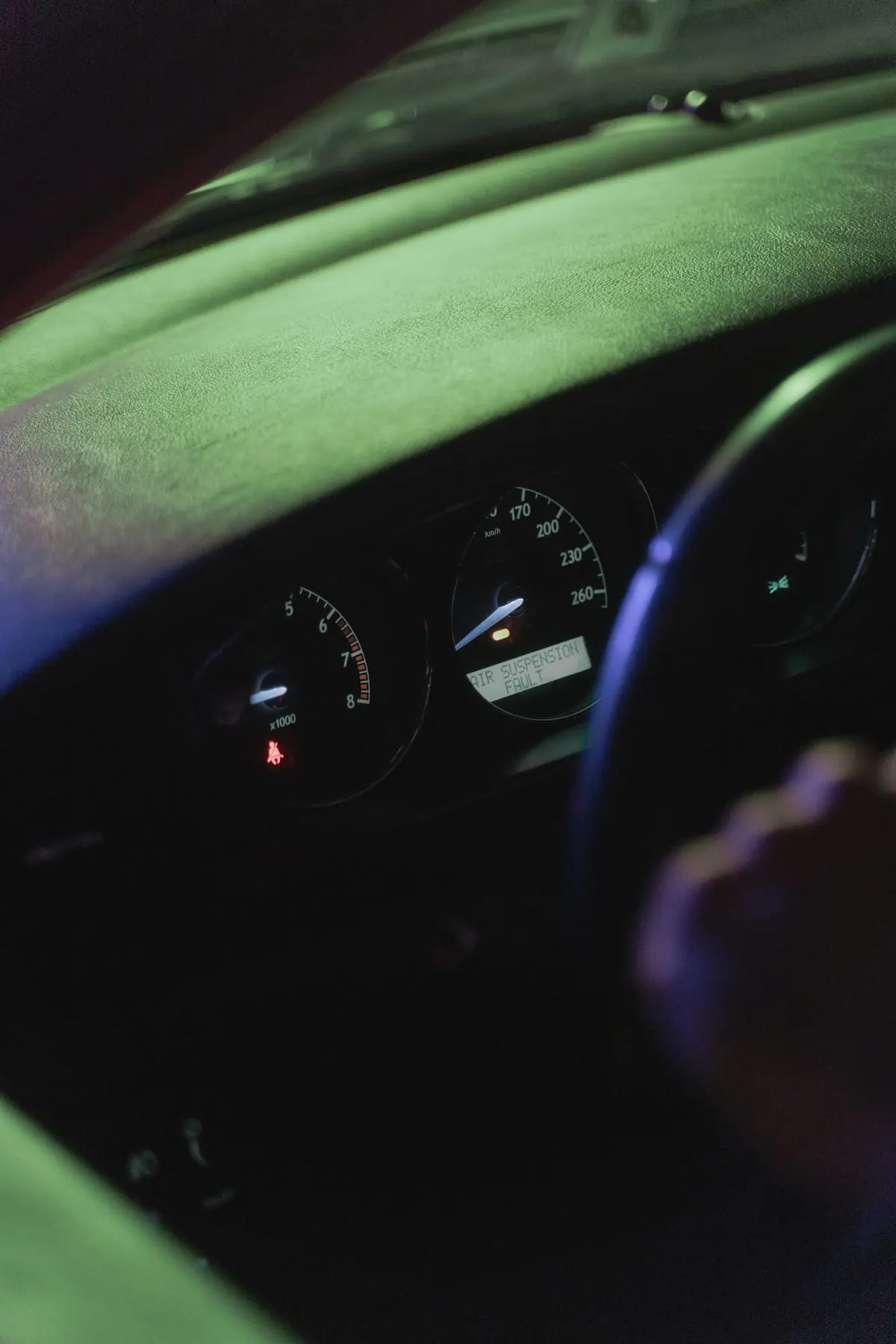
Lights also come on briefly when you start the car. That is a self-test. All the lights should turn on for a few seconds, then go out. If one stays on after the engine starts, that system needs attention.
What to Do When a New Light Appears
Follow this simple routine every time a new light shows up.
- Note the color first. Red means act now. Amber means act soon. Green or blue means a system is on.
- Note the symbol. Match it to the table above.
- Check how the car feels. Is it shaking, losing power, or making a new noise? If yes, pull over.
- Check the simple things. Is the parking brake on? Is a door open? Is the gas cap tight?
- Look in the owner's manual for your exact model if the symbol is unfamiliar.
- Get help. A free code scan at a parts store can tell you what a check engine light means for your car. A mechanic can check brake, ABS, and airbag lights.
Safety note: Never ignore a red light and keep driving. A red oil pressure or coolant temperature light can turn a small repair into a new engine. Pull over somewhere safe, turn on your hazard lights, and call for help.
Frequently Asked Questions
What does it mean when all dashboard lights come on at once?
When you start the car, all the lights come on for a few seconds as a self-test, then go out. That is normal. If they all stay on while you drive, it often means a charging system problem or a weak battery. Get the battery and alternator tested.
Can I drive with the ABS light on?
Yes, for a short time. Your normal brakes still work, but the anti-lock system will not help in a hard stop. Get it checked within a few days, and drive more carefully in rain or snow.
What does a flashing oil light mean?
A flashing or steady red oil light means low oil pressure. Stop driving as soon as it is safe. Check the oil level. If the level is fine and the light stays on, call for a tow. Driving with no oil pressure can destroy the engine in minutes.
Why did my tire pressure light come on in cold weather?
Tire pressure drops about 1 PSI for every 10 degrees Fahrenheit the temperature falls. A cold morning can drop pressure enough to trigger the light. Check the pressures and inflate to the door sticker value. If the light keeps coming back, check for a slow leak.
What is the most serious dashboard light?
The red oil pressure light and the red coolant temperature light are the most serious. Both can destroy the engine in minutes if you keep driving. A flashing check engine light is also serious, because it can destroy the catalytic converter.
Do dashboard symbols mean the same thing on every car?
Mostly yes. The colors and the basic shapes follow an international standard, but the exact drawing can vary by car maker. The owner's manual for your car is the final answer for any symbol you do not recognize.
Reviewed by the AutoFixr Editorial Team. Every fact in this guide was checked against manufacturer service information and NHTSA guidance. Symbol drawings vary by car maker. Always confirm an unfamiliar symbol in your owner's manual.