
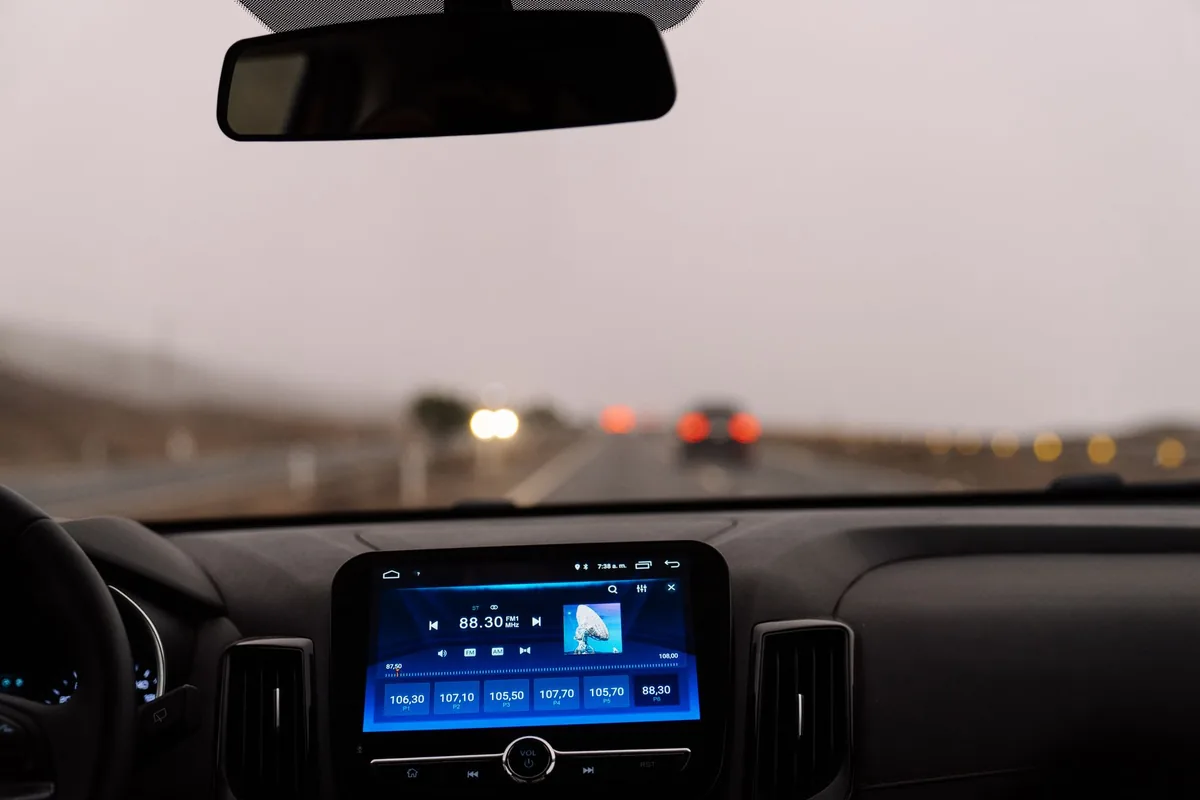
Toyota and Lexus Recall About 314,000 Vehicles Over Takata Airbags
This is a news report dated November 13, 2026, with facts as of that date. Toyota had not published a US model list or an NHTSA campaign number as of November 13, 2026.
Quick Answer: On November 12, 2026, Toyota announced a voluntary safety recall of about 314,000 Toyota and Lexus vehicles in the US. The Takata front passenger airbag inflator has propellant that can degrade over time in certain temperature and humidity conditions. If the airbag deploys, a degraded inflator can rupture and send metal fragments into the cabin, which may cause injury or death. Dealers replace the inflator or the airbag assembly free of charge. Check your VIN at Toyota.com/recall or nhtsa.gov/recalls.
What Happened on November 12, 2026
On November 12, 2026, Toyota announced a voluntary safety recall of certain Toyota and Lexus vehicles in the US. About 314,000 vehicles are involved, per the Toyota statement reported that day by TipRanks (publishing TheFly), The People's News, and reParta.
Only the front passenger airbag is affected. Toyota's wording, as quoted in those reports: "The front passenger airbag made by Takata contains an inflator with propellant that can degrade over time in certain temperature and humidity conditions. Degraded propellant can cause the inflator to rupture if the airbag deploys. An inflator rupture may cause metal fragments to pass through the airbag and into the vehicle interior at a high speed, which may result in injury or death to vehicle occupants." The driver airbag is not included.
No injuries, deaths, crashes, or ruptures linked to this 2026 recall were reported in the sources read. Historical Takata figures are covered separately below. This recall is separate from the October 2026 Land Cruiser fuel-tube recall, NHTSA campaign 26V673.
| Recall at a Glance | Detail |
|---|---|
| Vehicles in the US | About 314,000 (Toyota statement) |
| Brands | Toyota and Lexus |
| Airbag affected | Front passenger airbag only, made by Takata |
| Defect | Inflator propellant can degrade in certain temperature and humidity conditions |
| Risk | Rupture can send metal fragments into the cabin; may cause injury or death |
| Fix | Dealer replaces the inflator or the assembly, by model |
| Cost to the owner | Free of charge |
| US model list, campaign number | None published as of Nov. 13, 2026 |
Which Vehicles Are Affected and What Is Still Unknown
Toyota has said "certain" Toyota and Lexus vehicles, and no more in the US release as reported. The Toyota Lexus recall 314000 announcement included no model list, no NHTSA campaign number, and no owner-letter date. reParta did not find the recall in NHTSA's public data on November 12, 2026, and a fresh check on November 13 found no new US model list or campaign number since then.
The VIN lookup is the check, since recalls apply to specific vehicles by VIN, not to every car of a model and year. Still unknown for the US: the models and years, the campaign number, the owner-letter date, the US repair time, and whether replacement inflators from earlier recalls are covered.
Australia (not the US): Lexus Australia recalled 7,015 Lexus IS cars the same day, per Drive and AussieMotor: IS250, IS250C, IS350, and IS F cars built between August 31, 2005 and December 25, 2012, fitted with replacement inflators under an earlier recall. The replacements use desiccated, phase-stabilized ammonium nitrate (PSAN) propellant, which can still degrade after prolonged heat, humidity, and temperature cycling, per Lexus Australia. Lexus Australia says the cars remain safe to drive while owners wait for the free repair, which takes about 4.5 hours in Australia. Do not apply the Australia list, repair time, or safe-to-drive wording to a US car.
Japan (not the US): The People's News reported a matching recall in Japan the same day: Corollas and other models built between 2000 and 2009, plus Lexus IS250, IS250C, IS350, IS350C, IS F, and SC430, already recalled once between 2013 and 2017. Per Toyota's Japanese notice, the Takata replacements, with a desiccant, are being recalled again as they approach the predicted product life. The Japan list is not the US list.
Why Takata Inflators Can Rupture
An airbag must inflate in a fraction of a second in a crash. The inflator is a small metal canister holding a solid propellant. When the airbag triggers, the propellant burns very fast, makes gas, and fills the bag.
In a degraded Takata inflator, the propellant has changed over time. Toyota's statement says it can degrade in certain temperature and humidity conditions. Degraded propellant can burn too fast, pressure rises past what the canister can hold, the canister ruptures, and metal fragments can pass through the airbag into the cabin at high speed. The risk is fragments, not the airbag failing to inflate.
Heat and humidity drive the damage, as the propellant absorbs moisture over years. The US release published no model-year or regional list, so check your VIN wherever you live. The defect has no warning sign you can see, hear, or feel. If your airbag warning light is on, that is a separate issue. See our guide to car dashboard symbols and meanings.
What the Free Fix Involves
For all involved vehicles, dealers will replace the front passenger airbag inflator or the airbag assembly, depending on the model, free of charge. That is Toyota's remedy wording as quoted in the November 12 reports.
Do not pay for this recall remedy. If a dealer quotes a charge for the recall repair itself, ask for clarification in writing and contact Toyota. Unrelated work a dealer finds, such as worn brakes, is not part of the recall, and you can say no.
Do not replace an airbag inflator yourself. Airbags hold a charge that can deploy with great force if handled wrong. Do not disable the passenger airbag while you wait, either. The People's News quotes NHTSA's warning that an airbag that is purposely disabled has a 100 percent chance of failing to provide any protection in a crash.
How to Check Your VIN in 5 Steps
A Toyota recall check VIN lookup takes a few minutes and costs nothing. Do it now, and again in a few days if nothing shows yet.
- Find your 17-digit VIN. NHTSA says to look on the lower left of your windshield, on your registration card, or on your insurance card. It also encodes your model year, which our VIN year decoder tool can read.
- Enter your VIN at Toyota.com/recall. Enter your VIN, or your license plate number plus the state it was issued in. The lookup covers Toyota, Lexus, and Scion vehicles sold in the US. If your car is included, the result shows an open safety recall.
- Cross-check at nhtsa.gov/recalls. Enter the same VIN or plate at the federal lookup run by the National Highway Traffic Safety Administration. A vehicle with no unrepaired recalls shows "0 unrepaired recalls associated with this VIN."
- If nothing shows, check again in a few days. NHTSA warns that the search may not show recently announced recalls for which not all VINs have been identified, and that VINs are added continuously. The People's News notes that NHTSA recommends running your VIN at least twice a year.
- Call Toyota if you have questions. The People's News lists the Toyota Brand Engagement Center at 1-800-331-4331. Have your VIN ready.
A code scanner cannot check recall status; scanners read engine fault codes only. If your check engine light is on, our OBD-II code lookup tool can explain the code. See also what does check engine light mean.
Check Your VIN in 4 Steps
What to Do If Your Car Is Affected
If your VIN shows the recall, book the free fix. Do not wait for a letter; no owner-letter date had been published as of November 13, 2026. Contact a Toyota or Lexus dealer and ask to book the free remedy. Ask if the part is in stock and how long to allow. Toyota has not published a US repair time. Do not plan around the Australia figure of about 4.5 hours.
Make sure Toyota or Lexus has your current address, email, and phone number, since notices go to the address on file. After the repair, get a receipt showing the work, the date, and your VIN, and keep it with your service records.
Can you keep driving while you wait? Toyota US issued no do-not-drive order and no safe-to-drive statement for US owners in the statement as reported. Only Lexus Australia said its Australian cars remain safe to drive while waiting. If unsure, call your dealer or Toyota at 1-800-331-4331.
What to Do If You Already Had a Takata Fix
Check anyway, even if you had a Takata repair years ago. As described above, the November 12 action in Japan and Australia covers cars whose replacement inflators are now being recalled again. Toyota US has not confirmed the same pattern, and reParta reported that Toyota has not said whether the US recall is related to the Australian one. Do not assume you are recalled again, and do not assume you are clear. Check your VIN and let the lookup decide.
If your VIN shows the new recall, book the new repair. A prior repair does not close a new recall. The dealer can look up past recall work by VIN, with or without your old paperwork.
What to Expect at the Dealer
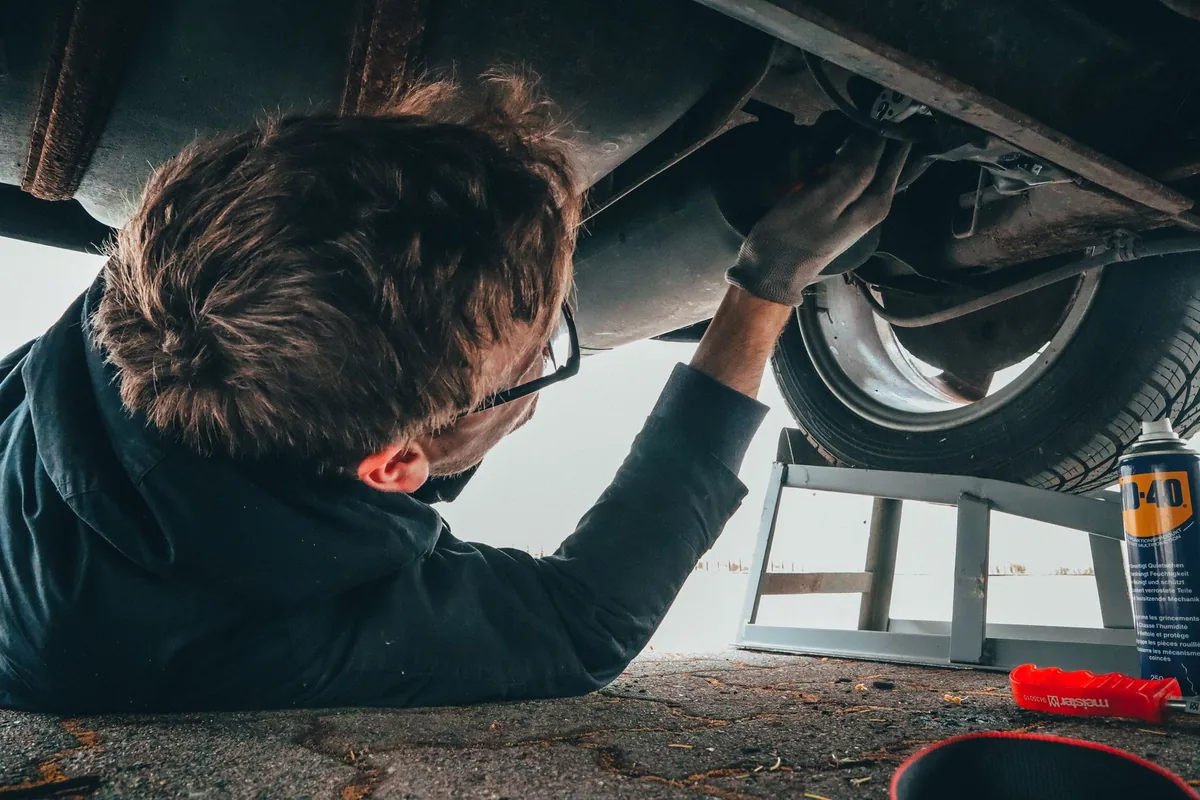
The dealer will confirm your VIN, remove the trim around the passenger side of the dashboard, take out the affected inflator or assembly, install the replacement, and reassemble the dashboard. The airbag system will be checked so no warning lights remain. Bring your VIN and any prior Takata paperwork. You should not be charged.
Ask when you book: Is the part in stock? How long should I allow? Can I wait, or must I leave the car? Is a loaner or shuttle available? Toyota has not published a US repair time or loaner policy, so answers vary by dealer. If the part is not available, ask for a waiting list spot and a callback. Never pay to join a waiting list.
A Brief History of the Takata Recalls
The Takata recalls are, in NHTSA's description as quoted by The People's News, "the largest and most complicated automotive recalls in United States history," spanning 19 automakers and about 67 million inflators. The People's News, citing NHTSA, reports 28 confirmed US deaths when defective Takata inflators exploded, and at least 400 alleged injuries. Those are historical totals across all automakers, not figures for this recall, in which no injuries were reported.
In October 2019, Toyota announced what it called the "final phase" of its US Takata recalls, covering roughly 928,000 Corollas, Tundras, Sequoias, 4Runners, and Lexus models, according to The People's News. That 928,000 figure is from 2019 and is not part of the 314,000 figure in the 2026 recall.
Regulators warned years ago that replacement inflators might not last forever. The People's News reports that NHTSA found Takata's desiccated inflators, the type with a drying agent, "generally not as susceptible" to breaking down as the originals. About 56.1 million were built for the US market, including about 20.9 million on the passenger side, per NHTSA. But NHTSA added that some inflators may present a risk several years from now. That page was last updated in February 2021.
| Takata Timeline | What Happened | Source |
|---|---|---|
| October 2019 | Toyota announces the "final phase" of US Takata recalls, roughly 928,000 vehicles | The People's News, Nov. 12, 2026 |
| February 2021 | NHTSA desiccated-inflator page last updated; warning of risk several years from now | The People's News, citing NHTSA |
| November 12, 2026 | Toyota announces voluntary US recall of about 314,000 vehicles over Takata passenger inflators | Toyota statement, via TipRanks, The People's News, reParta |
What This Means for Used-Car Buyers
Get the VIN of any used Toyota or Lexus you are seriously considering and run it at Toyota.com/recall and nhtsa.gov/recalls before you pay. A seller who will not share the VIN is a seller to walk away from. The VIN is visible through the windshield, so there is no good reason to hide it.
An open recall stays with the car, not the previous owner. If the VIN shows this recall as open, confirm with the dealer that the free fix applies to that VIN before you buy. Ask for paperwork showing any recall work done. Do not rely on the seller's word that "all recalls are done." Run the VIN yourself, save the result, and run it again a few days later. A recall alone is not a reason to avoid a car, but know about it before you buy and get the fix done promptly after the sale.
Frequently Asked Questions
How do I know if my Toyota or Lexus is part of this recall?
Run your 17-digit VIN at Toyota.com/recall and nhtsa.gov/recalls. Those lookups are the only reliable check, since no US model list had been published as of November 13, 2026. If nothing shows yet, check again in a few days.
Which models and model years are affected?
No US model or model-year list had been published as of November 13, 2026. Do not use the Japan list or the Australia Lexus IS list as the US list. Only a VIN check settles whether a US vehicle is included.
Is it safe to keep driving while I wait for the repair?
Toyota US issued no do-not-drive order and no safe-to-drive statement for US owners in the statement as reported. Only Lexus Australia said its Australian cars remain safe to drive while waiting. If unsure, call Toyota at 1-800-331-4331.
How much will the repair cost, and how long will it take?
The repair is free of charge. Dealers replace the inflator or the airbag assembly, depending on the model. No US repair time had been published as of November 13, 2026, so ask your dealer. The 4.5-hour figure applies to Lexus IS cars in Australia only.
I already had a Takata airbag replaced. Do I need to check again?
Yes. In Japan and Australia, the November 12, 2026 action covers cars whose replacement inflators are now being recalled again. Toyota US has not confirmed the same scope, so a prior repair proves neither that you are recalled again nor that you are clear.
Will Toyota send me a letter about the recall?
No owner-letter date had been published as of November 13, 2026. Do not wait for a letter. If your VIN shows the recall, book the free fix now, and make sure Toyota or Lexus has your current contact details.
The Bottom Line
The Toyota Takata airbag recall 2026 covers about 314,000 Toyota and Lexus vehicles in the US, and the fix is free. Check your VIN today at Toyota.com/recall and nhtsa.gov/recalls, check again in a few days if nothing shows, and book the repair right away if your car is listed. If you already had a Takata fix, check anyway.
Reviewed by the AutoFixr Editorial Team. The facts in this news report are as of November 13, 2026, and were checked against the Toyota statement as reported by TipRanks, The People's News, and reParta, and against the NHTSA and Toyota recall lookup pages. Details may change as Toyota publishes more information. Always confirm your vehicle's status with a VIN check.