
How Often Should You Rotate Your Tires? A Simple Guide
Quick Answer: Rotate your tires every 5,000 to 7,000 miles, or every 6 months, whichever comes first. All wheel drive and performance cars need it sooner, every 3,000 to 5,000 miles. A professional rotation costs $20 to $50. Regular rotation keeps tire wear even and can add thousands of miles to tire life.
What Is a Tire Rotation?
Rotate your tires every 5,000 to 7,000 miles, or every 6 months, whichever comes first. All wheel drive cars and performance cars need it sooner, every 3,000 to 5,000 miles. A tire rotation means moving each tire to a different position on your car, for example the front tires go to the back and the back tires move to the front. The exact pattern depends on your car.
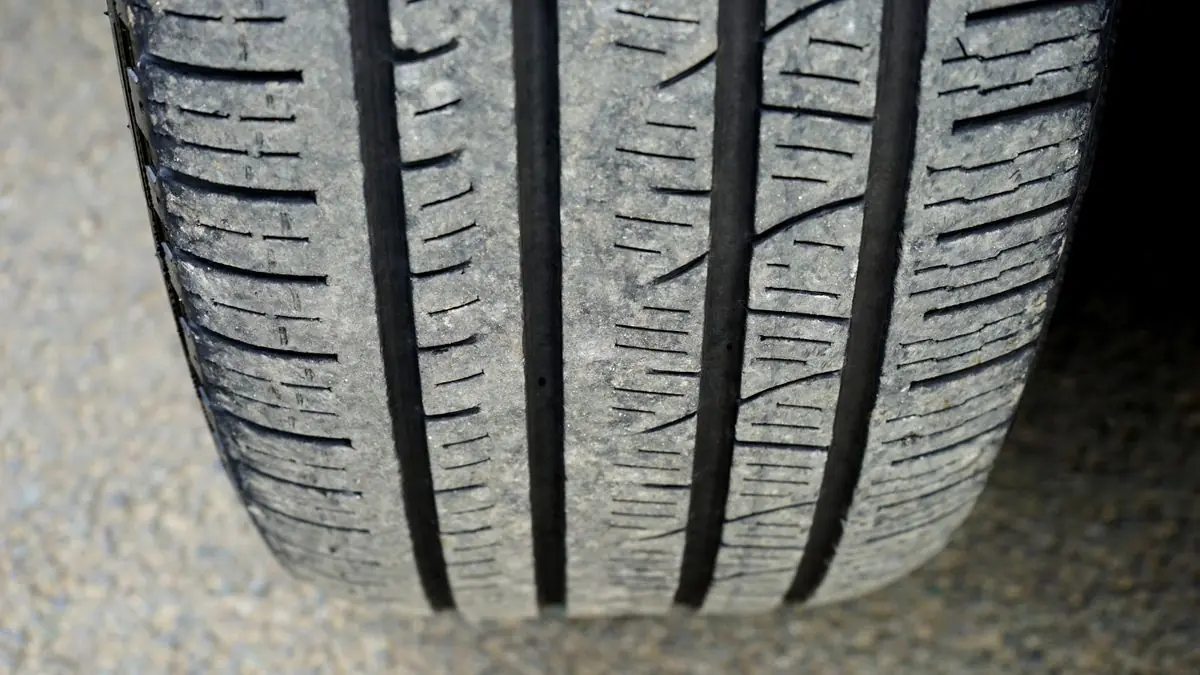
Why does this matter? Tires do not wear evenly. The front tires do most of the work. They handle steering, most of the braking, and, in front wheel drive cars, all of the engine power. So the front tires wear out faster than the rear tires.
Rotation spreads the wear across all four tires. When wear is even, all four tires last longer. You replace them at the same time. That saves money and keeps the car safe. Uneven tires can hurt handling, braking, and grip in rain. Rotation takes about 30 minutes at a shop, yet many drivers skip it.
How Often Should You Rotate Your Tires?
The standard answer is every 5,000 to 7,000 miles, or every 6 months, whichever comes first. This matches what most car makers and tire makers recommend. It also lines up with most oil change intervals, so it is easy to remember. Get the rotation done at every oil change.
But the right interval changes with your car and driving. All wheel drive cars, performance cars, heavy loads, rough roads, and stop and go traffic all speed up wear. A normal sedan needs rotation every 5,000 to 7,000 miles. An all wheel drive SUV, a truck, or a sports car needs it every 3,000 to 5,000 miles. When in doubt, check your owner's manual. Many tire makers require rotation every 6,000 to 7,000 miles to keep the warranty valid, so keep your receipts.
Interval by Vehicle Type
Use this table to find the right interval for your car.
| Vehicle Type | Rotation Interval |
|---|---|
| Sedans and coupes | Every 5,000 to 7,000 miles |
| SUVs and crossovers | Every 5,000 to 7,500 miles |
| All wheel drive and 4WD | Every 3,000 to 5,000 miles |
| Electric vehicles (EVs) | Every 5,000 to 6,000 miles |
| Performance cars | Every 3,000 to 5,000 miles |
| Light trucks and pickups | Every 5,000 miles or less |
| Heavy trucks and large SUVs | Every 5,000 miles |
The pattern is clear. Heavier cars, more power, and more drive wheels all mean shorter intervals. Your owner's manual is the final word for your car.
Tire Rotation Pattern: Front-Wheel Drive
Tire Rotation Patterns
The tire rotation pattern is the map that shows where each tire goes. It depends on your drivetrain and tire type. Using the wrong pattern can cause uneven wear.
Front wheel drive (FWD): forward cross. Move the front tires straight back. Move the rear tires to the opposite front corners. The front left goes to the rear left. The rear left goes to the front right.
Rear wheel drive (RWD): rearward cross. Move the rear tires straight forward. Move the front tires to the opposite rear corners. The rear left goes to the front left. The front left goes to the rear right.
All wheel drive and 4WD: X-pattern. Move each tire to the opposite corner. The front left goes to the rear right. The front right goes to the rear left. Some all wheel drive cars use a side to side pattern instead, so check your manual.
Directional tires: front to back only. Directional tires have an arrow on the sidewall and must roll in one direction. Move them straight from front to back on the same side. Never cross them.
Staggered tires: no rotation. Some sports cars have wider tires on the rear than on the front. These tires cannot move from front to back. Many staggered setups cannot be rotated at all.
Signs You Waited Too Long
If you skip rotations, your tires will tell you:
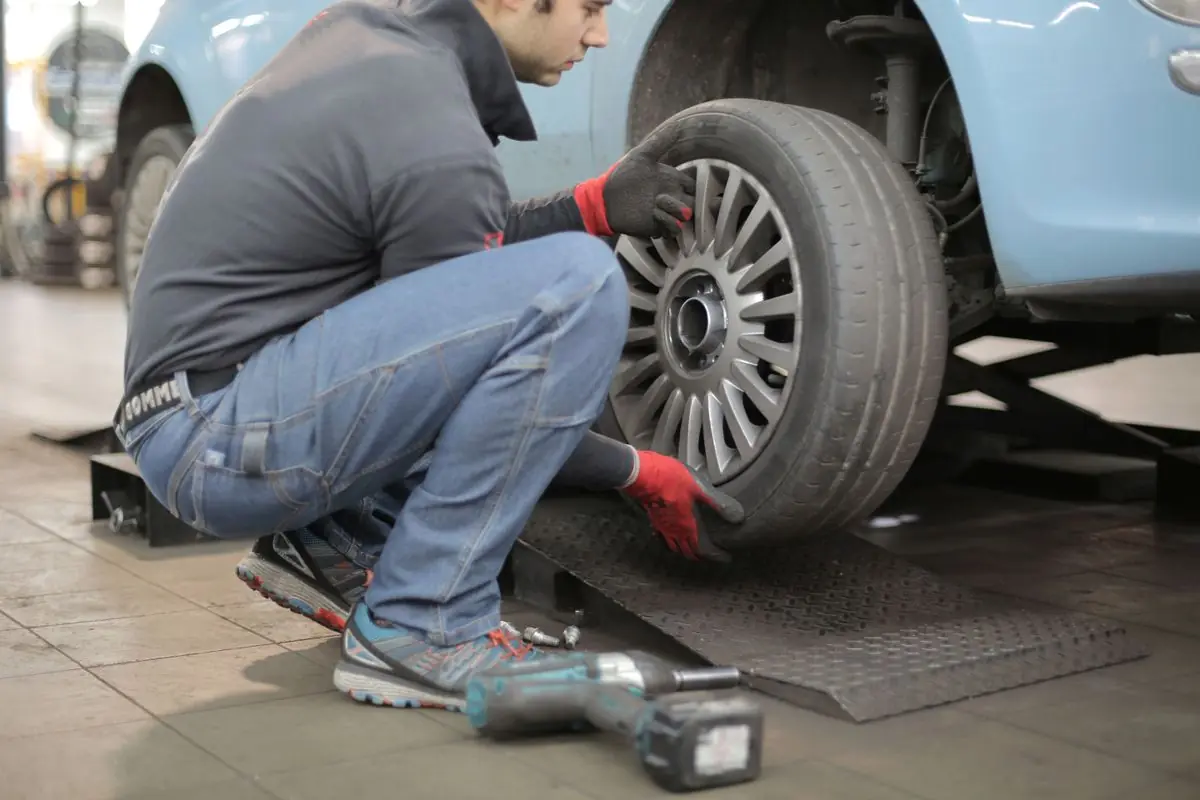
- Uneven tread wear. One tire looks more worn than the others.
- Tread depth difference over 2/32 inch. If one tire is more than 2/32 inch shallower than the others, rotate now.
- Vibration at high speed. The steering wheel shakes on the highway.
- Road noise. The tires get louder than they used to be.
- Pulling to one side. The car drifts left or right when you drive straight.
- One-sided wear. The inside or outside edge is worn smooth while the rest looks fine.
If you see these signs, rotate the tires right away. But rotation cannot fix tires that are already worn out. Tires should be replaced at 6 to 10 years old no matter how much tread is left. To know when a full set is due, read our guide on how often should you change your tires.
How Much Does It Cost?
The tire rotation cost is low compared to most car services.
| Option | Cost |
|---|---|
| Professional rotation at a tire shop | $20 to $50 |
| Rotation at the dealer | $30 to $60 |
| Rotation where you bought the tires | Free to $25 |
| DIY at home | $0, after buying tools ($150 to $300 one time) |
If you bought your tires at a big tire store, rotation is often free for the life of the tires. A set of four tires can cost $400 to $1,000 or more, so rotation helps you get the full life from that set.
Can You Do It Yourself?
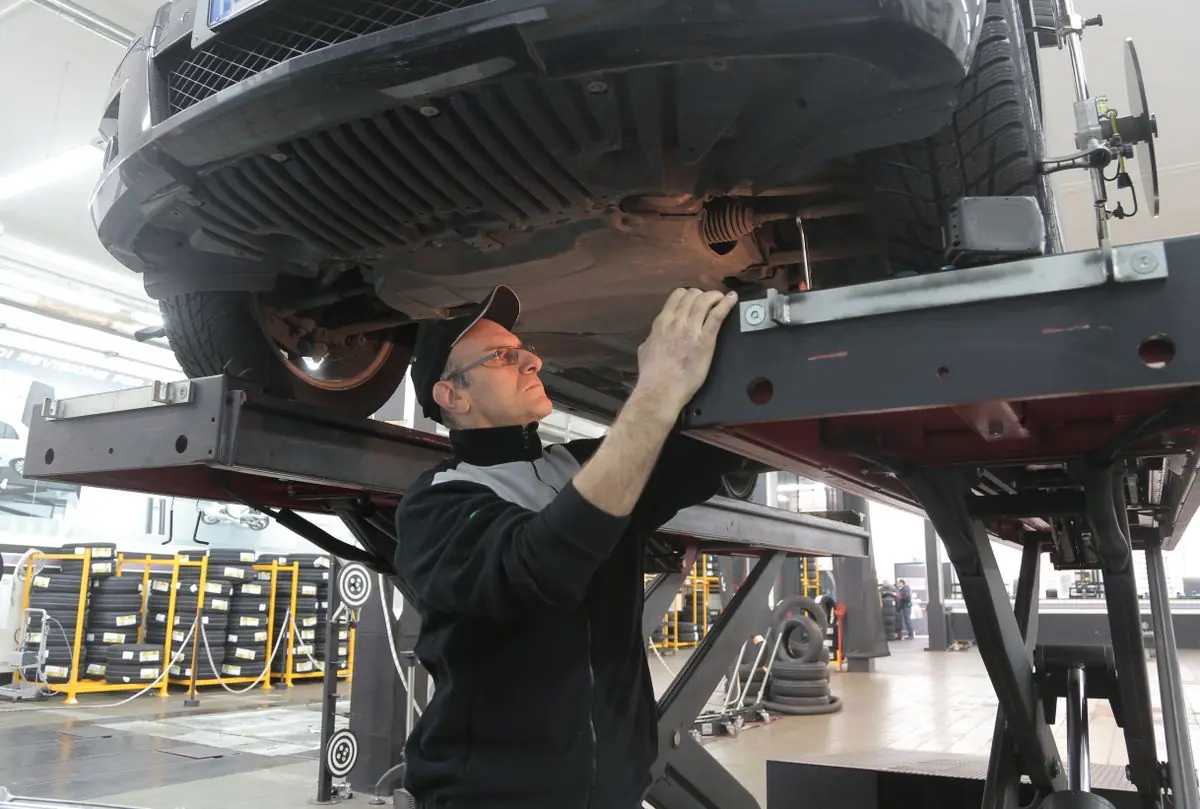
Yes, if you have the tools and a safe place to work. You need a floor jack rated 2 to 3 tons, four jack stands, a lug wrench, a torque wrench, and wheel chocks.
- Park on flat ground. Set the parking brake. Place chocks behind the wheels that stay on the ground.
- Loosen the lug nuts on all four wheels while the car is still on the ground.
- Lift each corner with the jack and place a jack stand under the frame.
- Remove the wheels and move each tire to its new position.
- Put the wheels back on and tighten the lug nuts by hand.
- Lower the car. Tighten the lug nuts in a star pattern with a torque wrench. Most cars need 80 to 100 ft-lb, but check your manual.
- Check the tire pressure on the sticker inside the driver door.
- Drive a short distance. The tire pressure sensors relearn their positions after 10 to 50 miles.
If this sounds like a lot of work, a shop is the easier choice. A professional rotation costs $20 to $50 and takes 30 minutes.
The 5-Tire Rotation
If your car has a full size spare tire, include it in the rotation. This is called a 5-tire rotation, and it is common on trucks, SUVs, and 4WD vehicles. The spare wears evenly with the other four, so all five age at the same rate. The pattern is simple. The spare goes to the right rear. The right rear goes to the right front. The right front goes to the left rear. The left rear goes to the left front. The left front becomes the new spare. This only works with a full size matching spare. A donut spare is for emergencies only, limited to 50 mph.
Rotation vs Alignment vs Balancing
Rotation moves the tires to different positions. It spreads wear evenly. Alignment adjusts the angles of the wheels so they point straight. Get one about once a year, or every 12,000 to 15,000 miles. Balancing adds small weights so wheels spin smoothly. You need it when you buy new tires, or if you feel vibration at high speed. Rotation is the most frequent of the three.
Safety Note
Never work under a car held up by a jack alone. Always use jack stands. Set the parking brake and use wheel chocks. If you are not sure about lifting your car safely, let a shop do the rotation. It costs $20 to $50 and takes 30 minutes. Your safety is worth more than the savings.
Frequently Asked Questions
How often should you rotate your tires? Every 5,000 to 7,000 miles, or every 6 months. All wheel drive, 4WD, and performance cars need it every 3,000 to 5,000 miles. Pair it with every oil change.
Can you rotate tires too often? No. Rotating more often does not harm the tires. The risk is in rotating too rarely, not too often.
Does tire rotation affect the warranty? Yes. Many tire makers require rotation every 6,000 to 7,000 miles to keep the tread life warranty valid. Keep your receipts as proof.
What happens if you never rotate your tires? The front tires wear out much faster than the rear tires. You will replace two tires early while the other two still have life. Uneven wear also hurts handling and grip in wet weather.
Is tire rotation the same as wheel alignment? No. Rotation moves the tires to different positions. Alignment adjusts the angles of the wheels. Both help tires last longer.
Do electric cars need tire rotation? Yes, and often sooner than gas cars. EVs are heavy because of the battery, and the motor gives instant torque. Rotate EV tires every 5,000 to 6,000 miles.
The Bottom Line
Tire rotation is simple, cheap, and easy to remember. Pair it with every oil change, and your tires will last longer and wear evenly. If you need to change a tire on the road, read our guide on how to replace a tire so you are ready before it happens.