
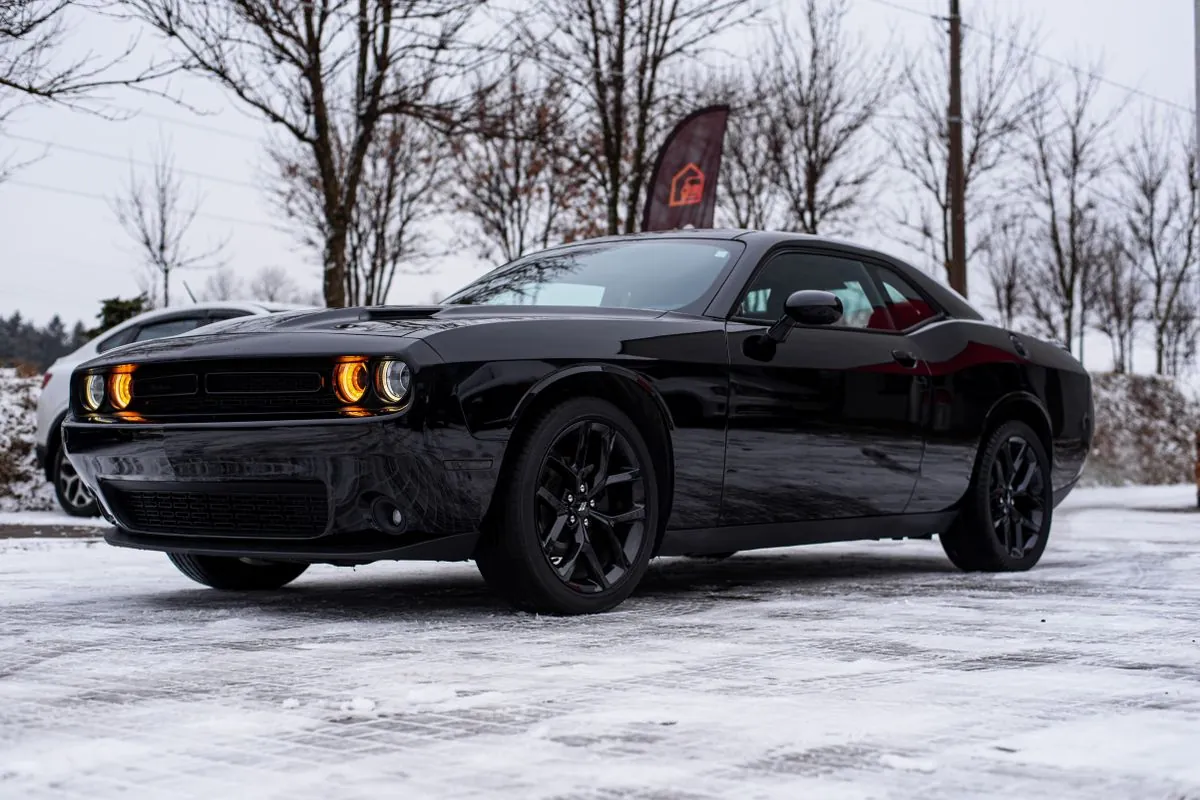
How to Winterize Your Car
Quick Answer: How to winterize your car in 30 minutes: test the battery, set tire pressure cold, check the coolant, fill winter washer fluid, replace worn wipers, test the lights and defrosters, and pack a kit. Start with the battery and tires, before the first hard freeze.
Why Winter Finds Every Weak Spot
Learning how to winterize your car means checking the parts cold weather hits first, before the first hard freeze. Test the battery, set tire pressure cold, check the coolant level, fill winter washer fluid, replace worn wiper blades, test the lights, heater, and defrosters, and pack a winter emergency kit. Do them in the fall, in this order.
Winter rarely breaks a healthy car overnight. It exposes weak points already there: a slow battery, worn tires, a small leak, weak wipers, or overdue maintenance. Cold hits several systems at once.
The stakes are real. US Department of Transportation figures cited by GoodCar put 24 percent of weather-related crashes on snow, slush, or ice, with over 116,800 injuries a year, and NHTSA reports 320 fatal crashes in snow or sleet in 2023. This hub links to deeper help on a car that will not start in cold weather, the tire pressure light on in cold weather, and how to check coolant level.
Winter Car Care Checklist
This winter car care checklist is in stranded-risk order, with the most likely stranding faults first. Short on time? Do the battery, tires, and washer fluid first. Mark each row pass or fail, and fix every fail this week.
| Order | Check | Pass mark | If it fails |
|---|---|---|---|
| 1 | Battery and charging | Passes a load test, cranks fast | Replace before the freeze |
| 2 | Tires and spare | Door jamb pressure, tread over 4/32 inch | Inflate or fit new tires |
| 3 | Coolant | Between marks cold, near minus 34F | Top up or get a shop test |
| 4 | Washer fluid and wipers | Winter fluid full, blades clear | Refill and replace blades |
| 5 | Lights, heater, defrosters | Every light works, steady heat | Replace bulbs, check coolant |
| 6 | Oil, brakes, belts, hoses | Oil right, quiet brakes, no leaks | Book an inspection |
| 7 | Emergency kit and fuel | Kit packed, tank close to full | Pack the kit today |
| 8 | Shop-only jobs | Quote in hand, visit booked | Book it now |
The same checklist as steps:
- Test the battery and clean the terminals. Get a free load test at an auto parts store, look for slow cranking and corrosion, and replace a weak battery before the first hard freeze.
- Set tire pressure cold and check tread and the spare. Use the door jamb pressure, check tread with the penny and quarter tests, and set the spare too.
- Check the coolant level with the engine cold and get the freeze protection tested. The level should sit between the marks on the reservoir, and the mix should protect to about minus 34F.
- Fill winter washer fluid and replace worn wiper blades. Run the washers until the winter fluid comes through, and fit new blades if they streak or chatter.
- Test every light, the heater, and both defrosters. Walk around the car with the lights on, and confirm steady heat and fast clearing glass.
- Check the oil, brakes, belts, hoses, and warning lights. Top up or change oil that is due, listen for brake noise, look for cracks and leaks, and scan any warning light.
- Pack the winter emergency kit and keep the tank close to full. Include a scraper, shovel, traction aid, jumper cables, flashlight, blankets, food, water, and a phone charger.
- Book the shop-only jobs you found. A brake inspection, coolant strength test, and charging system check are quick shop jobs, so get a written quote first.
Winter Checklist in Stranded-Risk Order
Battery First
The battery is the number one reason cars fail to start in winter. Cold slows the chemistry inside it, so it makes less power just as thick oil makes the engine need more. NHTSA puts it simply: when the temperature drops, so does battery power.
AAA figures put the loss at about 35 percent at 32F and about 60 percent at 0F, while a cold engine can need up to twice the current to start. Other sources give wider ranges, about 20 to 35 percent and 40 to 60 percent. A battery weakened in summer often fails on the first cold morning.
Get the battery tested, not guessed. Most parts stores run a free load test, which reports cold cranking amps, the power the battery delivers at 0F. A rest reading near 12.6 volts shows charge only, not strength under load. Running voltage, roughly 13.5 to 14.7 volts, varies, so treat it as a rough check.
AAA puts average life at 3 to 5 years, with a yearly test from age 3, while other guides treat 4 to 6 years as suspect. Test any battery 3 years old or older. Watch for slow cranking, dimming lights, a swollen case, or a rotten-egg smell, and clean corrosion off the terminals.
If the test says the battery is weak, replace it before deep cold: see how to replace a car battery, and keep how to use jumper cables handy. If the car already refuses to start, read about a car that will not start in cold weather first.
Safety note: A battery vents hydrogen gas and contains acid. Wear gloves and eye protection, keep sparks away, and never lean over it. If the case is cracked or leaking, do not jump it.
Tires and Traction
Tires are the only part touching the road. All-wheel drive helps you go, but tires help you stop and turn.
Pressure falls about 1 PSI for every 10F drop. NHTSA says to use the maker pressure in the owner manual and on the driver door frame label, not the tire maximum. Check cold, after sitting at least 3 hours, monthly and before long trips. See how to check tire pressure, and our guide on the tire pressure light on in cold weather. Check the spare too, and confirm the jack and wrench are in the car. See how to replace a tire.
NHTSA says tread must be at least 2/32 of an inch on every tire. Penny test: with Lincoln head upside down, if you can see the top of his head, replace the tire. But 2/32 inch is a floor, not a safe winter depth. Consumer Reports advises shopping at 4/32 inch, and its testing found half-tread tires lost about 14 percent of snow traction. Use the quarter test for 4/32 inch, check age with our tire age checker, and see how often should you change your tires.
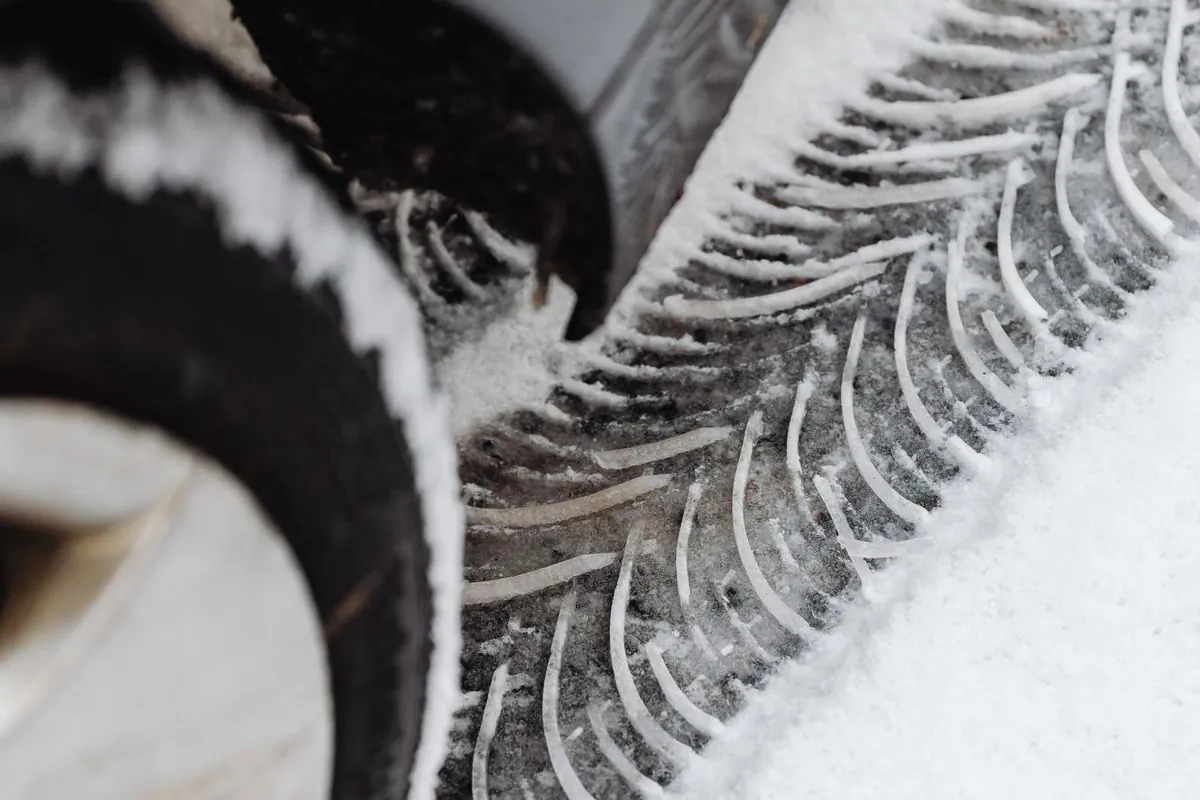
Winter tires use a softer compound that stays flexible in the cold, with sipes that bite snow and ice. Most guides say to switch below about 45F, while one notes non-winter rubber hardens below 40F, so use 40 to 45F. Look for the Three-Peak Mountain Snowflake symbol, fit winter tires on all four wheels, never mixed, and check for cuts, bulges, and uneven wear. A bulge or sidewall cut needs a shop.
Prepare Car for Winter Fluids
You can do most fluid checks yourself in minutes, with the engine cold. Shops sell this as a "prepare car for winter" package.
Coolant stops engine liquid freezing and carries heat to the heater. Most cars use a 50/50 antifreeze and water mix, protecting to about minus 34F. Stronger is not better: pure ethylene glycol freezes near 9F, and protection falls past about 60 percent glycol. Check the reservoir cold, between the marks, and never open a hot cap. If the level keeps dropping, get the freeze point tested. See how to check coolant level. Follow your manual for service intervals.
Safety note: Never open the radiator cap while the engine is hot. Hot coolant can spray and burn you. Keep coolant from children and pets. It tastes sweet and it is poisonous.
Oil thickens in the cold, so check the level and change it if due, using the viscosity in your manual. In 5W-30, W stands for winter, and the first number shows cold flow. See how to check oil.
Swap summer washer fluid for a winter formula rated to minus 20F or colder in the snow belt, since summer fluid can freeze in the lines or on the glass. Run the washers until the new fluid comes through, and keep a spare jug in the trunk. Ask a shop about very dark brake fluid or a low level.
Wipers, Lights, and Defrosters
Short days, storms, and salt spray attack visibility at once. Treat wipers, lights, and defrosters as one job.
Replace blades that streak, chatter, or skip. Blades last 6 to 12 months, so replace on condition. Winter blades with a rubber boot resist ice buildup. Fill the reservoir with winter fluid with de-icer, as NHTSA advises, test both defrosters and all blower speeds, and replace a clogged cabin filter, which slows defrosting.
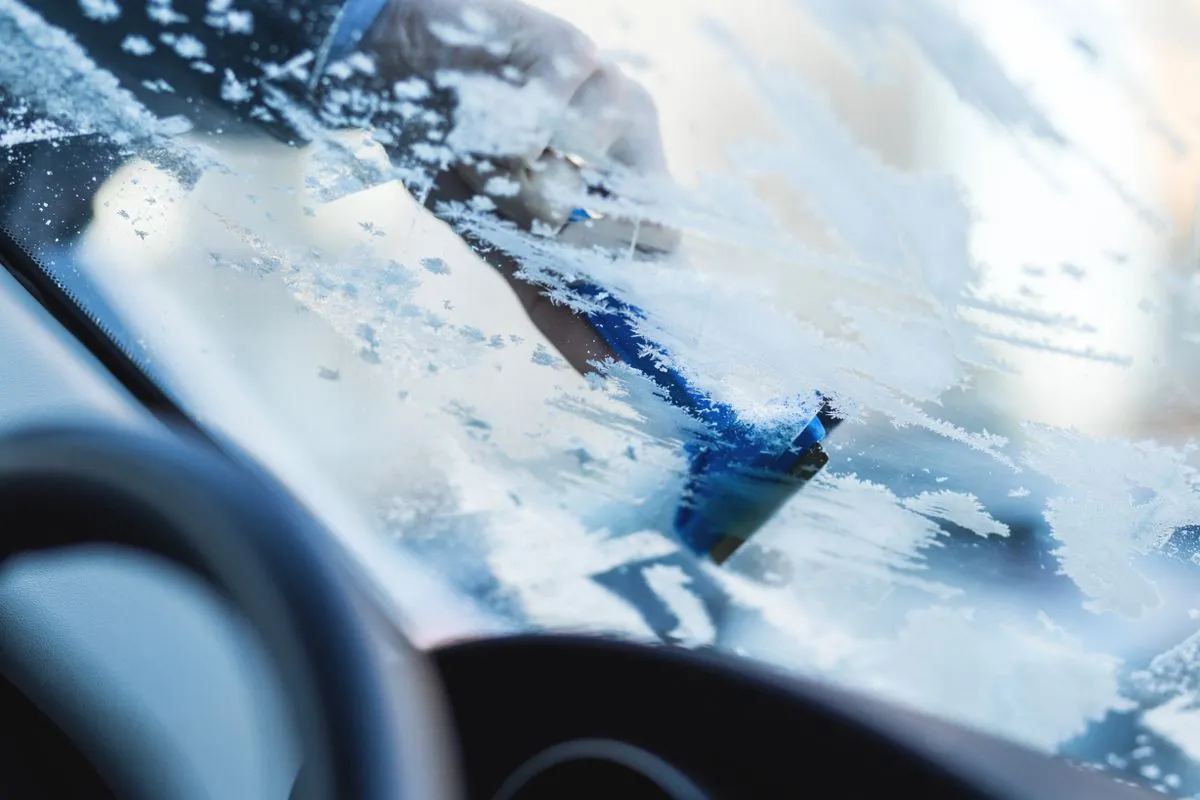
Confirm steady heat at idle. If the gauge stays cold, the thermostat may be stuck open. If it runs hot, stop. Test every light, clean cloudy lenses, and clear all snow from glass, mirrors, lights, and roof before each drive. Never use hot water on icy glass, as the shock can crack it.
Brakes, Belts, and Warning Lights
Have a shop inspect pads, rotors, and lines if you hear squealing or grinding, feel a spongy pedal or vibration, or the car pulls aside. Grinding often means metal on metal, so do not wait.
With antilock brakes, NHTSA says to apply firm, continuous pressure in an emergency, and to pump only without them. Ask a shop to check belts for cracks and hoses for bulges, since a failed belt can stop the alternator, water pump, and steering at once. Ask about the exhaust too, and never idle in a closed garage.
Scan any warning light before the first storm. See car dashboard symbols and meanings and what does check engine light mean.
Driveway Jobs vs Shop-Only Jobs
Most of this checklist is driveway work. A few jobs need a lift, a tester, or trained hands. Do the driveway column in about 30 minutes, then book the shop column in one visit.
| Job | Driveway or shop | Why |
|---|---|---|
| Tire pressure, tread, spare | Driveway | Gauge and coin only |
| Washer fluid and wiper blades | Driveway | No tools needed |
| Lights, heater, defroster test | Driveway | Walk-around check |
| Coolant and oil level checks | Driveway | Read marks, engine cold |
| Emergency kit packing | Driveway | Pack it today |
| Battery load test | Parts store or shop, often free | Load tester |
| Coolant strength test and flush | Shop | Tester and right fluid |
| Brake inspection | Shop | Lift and trained eye |
| Belts, hoses, exhaust check | Shop | Under-car inspection |
| Charging system check | Shop | System tester |
| Winter tire fitting | Shop | Mounting gear |
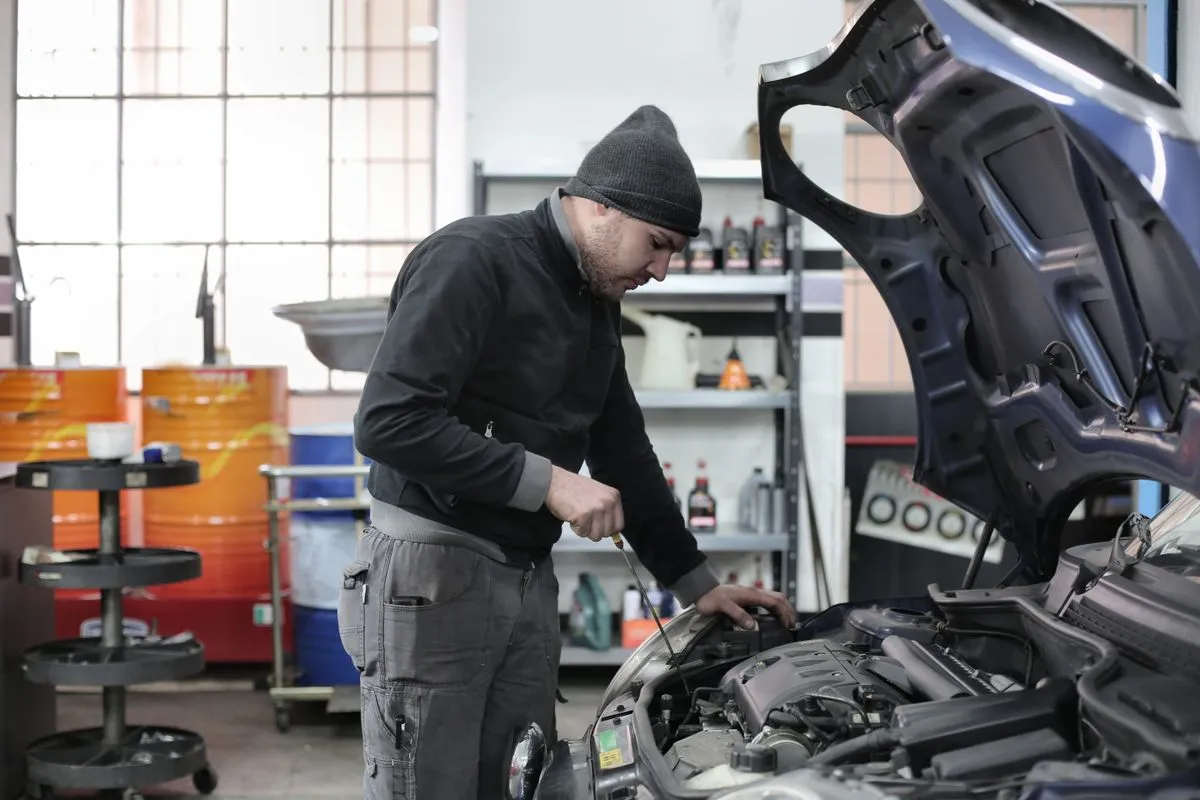
Tell the shop what you found, and get a written estimate first.
Winter Emergency Kit
A stuck car can mean hours in the cold. Pack this NHTSA-based kit before the first storm.
- Snow removal: a snow shovel, broom, and ice scraper.
- Traction: sand or kitty litter, or traction boards.
- Safety: jumper cables, a flashlight, and flares.
- Medical: a first aid kit with a tourniquet, plus your medicines.
- Warmth and food: blankets, gloves and a hat, water, and snacks.
- Communication: a phone, car charger, and power bank.
- Rural extras: extra washer fluid, warm layers, and a small tool kit.
Keep the tank close to full, as NHTSA advises, and at least half full at minimum. Charge your phone and tell someone your route.
Safety note: If stuck, stay with your vehicle. Run the motor about 10 minutes each hour, open a window a little, and clear the exhaust pipe to avoid carbon monoxide poisoning.
Hybrid and EV Winter Notes
Hybrids and EVs need the same tire, wiper, light, and kit checks, plus range and charging care. Test the small 12-volt battery most still use, which can fail in the cold too.
At 20F, FuelEconomy.gov reports gas city mileage down roughly 15 percent versus 77F, hybrids down about 30 to 34 percent, and EV range down 41 percent with the heater on, but only about 12 percent with it off. Use our fuel cost calculator to price the winter drop.
Precondition while plugged in, use seat heaters over cabin heat when you can, and plug in at night in freezing weather, as NHTSA suggests. Plan longer charging stops.
What Winter Prep Costs
Driveway checks cost nothing. Costs below were checked on November 17, 2026. Prices vary, so get a written quote for shop work.
| Item | Typical US cost | Notes |
|---|---|---|
| Battery load test | Often free | Parts stores, many shops |
| Car battery, part only | About 45 to 250 dollars | Kelley Blue Book |
| Flooded battery, part only | 90 to 225 dollars | AutoZone guide, Oct 2026 |
| AGM battery, part only | 230 to 450 dollars or more | Start-stop cars |
| Shop-installed battery | 150 to 493 dollars | Shops to RepairPal average |
| Winter tires, set of 4 | 400 to 1,800 dollars | About 100 to 450 dollars each |
| Mounting and balancing | 60 to 180 dollars | Per seasonal swap |
| Seasonal tire storage | 40 to 120 dollars | Per season |
| Wiper blades, pair | 30 to 80 dollars | Winter blades 25 to 50 dollars each |
| Winter washer fluid | 5 to 15 dollars per gallon | Keep a spare jug |
| Coolant strength test | Free to 15 dollars | Shop hydrometer test |
| Coolant flush, shop | 50 to 250 dollars | Drain and fill costs less |
| Jumper cables | About 16 to 29 dollars | Retail, Oct 2026 |
| Portable jump starter | About 62 to 100 dollars | Retail, Oct 2026 |
Battery type and shop markup explain the wide installed range.
Frequently Asked Questions
When should I winterize my car?
Winterize your car in the fall, before temperatures regularly drop below freezing, which means October or early November for much of the US. Do it before the first hard freeze, so weak parts show up on a mild afternoon, not a cold morning.
Do I really need winter tires, or are all-season tires enough?
All-season tires can be enough in mild winters with deep tread and fast-cleared roads. If you drive often on snow, ice, hills, or rural roads, winter tires are the biggest traction upgrade you can buy. Fit all four wheels, and switch below about 45F.
How often should I check tire pressure in winter?
Check monthly in winter and before long trips, and again after a big temperature drop, since pressure falls about 1 PSI per 10F. Always check cold, after the car has sat at least 3 hours.
Why does my car battery die in cold weather?
Cold slows the battery chemistry, so it makes less power, while thick oil makes the engine need more. AAA figures put the loss at about 35 percent at 32F and about 60 percent at 0F. A weak battery often fails on the first cold morning.
Should I warm up my car before driving in winter?
No. FuelEconomy.gov says most makers recommend driving off gently after about 30 seconds, since the engine warms faster while driving. Clear all glass first, then drive gently.
What should I do if my car gets stuck in snow?
Stay with your vehicle, since leaving it in wind-driven snow leads to disorientation fast. Run the engine about 10 minutes each hour, open a window a little, and keep the exhaust pipe clear to avoid carbon monoxide poisoning. Make the car easy to see, and call for help.
Reviewed by the AutoFixr Editorial Team. Every fact in this guide was checked against the sources named in this article, including NHTSA, FuelEconomy.gov, AAA figures as reported by the sources cited, and Consumer Reports tire testing. Costs were checked on November 17, 2026, and prices vary by vehicle and location. Always follow your owner's manual.